Our Services
Agroforestry takes many forms. We help you find the right combination for your land, your operation, and your goals.
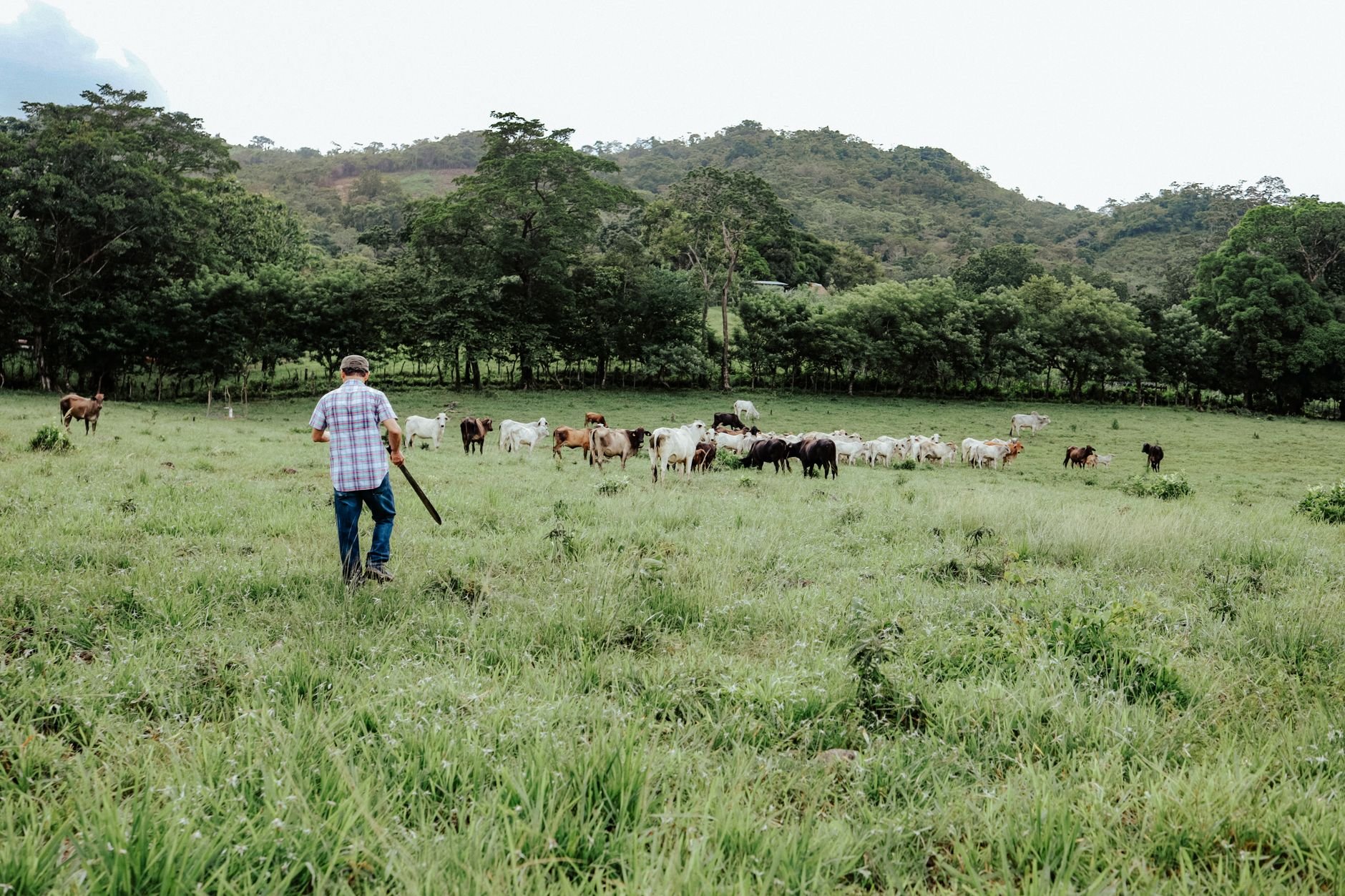
Silvopasture
Silvopasture intentionally combines trees, forage, and grazing animals on the same land. Shade trees lower heat stress on livestock during summer, improving animal welfare and daily gain. Deep-rooted trees draw nutrients up from lower soil horizons and deposit them as leaf litter — building organic matter over time rather than depleting it.
Well-chosen tree species can also provide fodder, timber, fruit, or nut crops, giving a grazing operation additional income streams that insulate it from the price volatility any single commodity market faces.
We work with you to select species and spacing that fit your existing fence lines, water systems, and grazing rotation — so the transition into a silvopasture system doesn't require dismantling what's already working.
What we deliver
- Site assessment and species selection
- Spacing, layout, and fencing recommendations
- Grazing rotation planning around establishment
- Tree establishment and management guidance
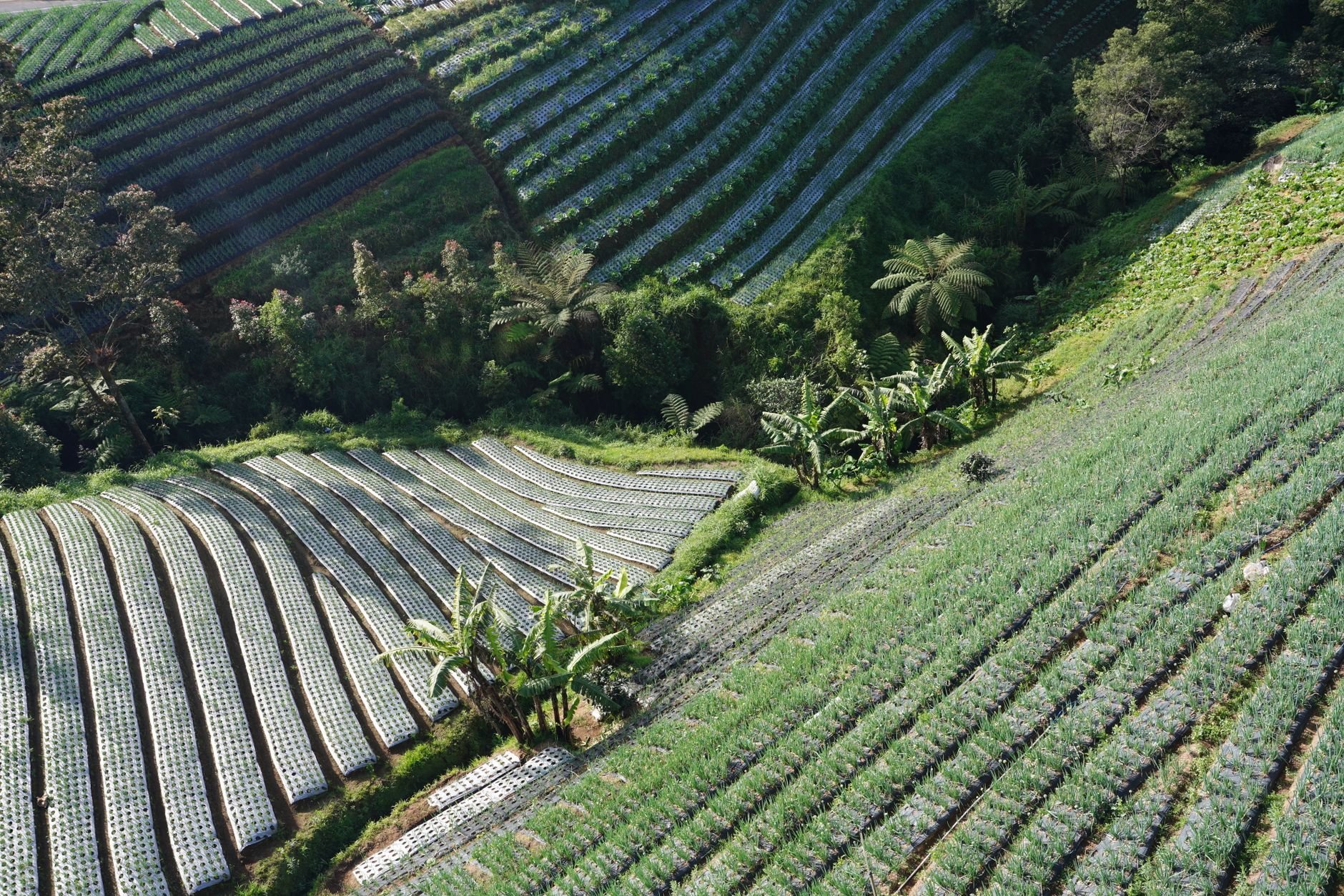
Alley Cropping
Alley cropping places tree or shrub rows at regular intervals across a field, with crop production continuing in the alleys between them. Done well, the trees function as living windbreaks, slowing wind speed and reducing evapotranspiration — which means the cash crops in the alleys often perform better, not worse, than they would in a treeless field.
Over time, tree rows may produce timber, fruit, nuts, or other harvestable products. Leaf drop between rows builds soil organic matter. Root systems from the tree rows stabilize slopes and reduce erosion along field margins.
The critical design variables are species choice, alley width (which determines what equipment can work in the alleys and how much light the tree rows cast), and the long-term management plan for both the trees and the crops. We work through all of these with you before any tree goes in the ground.
What we deliver
- Field layout and alley-width planning
- Species selection for climate and market
- Equipment access and shading analysis
- Phased establishment plan
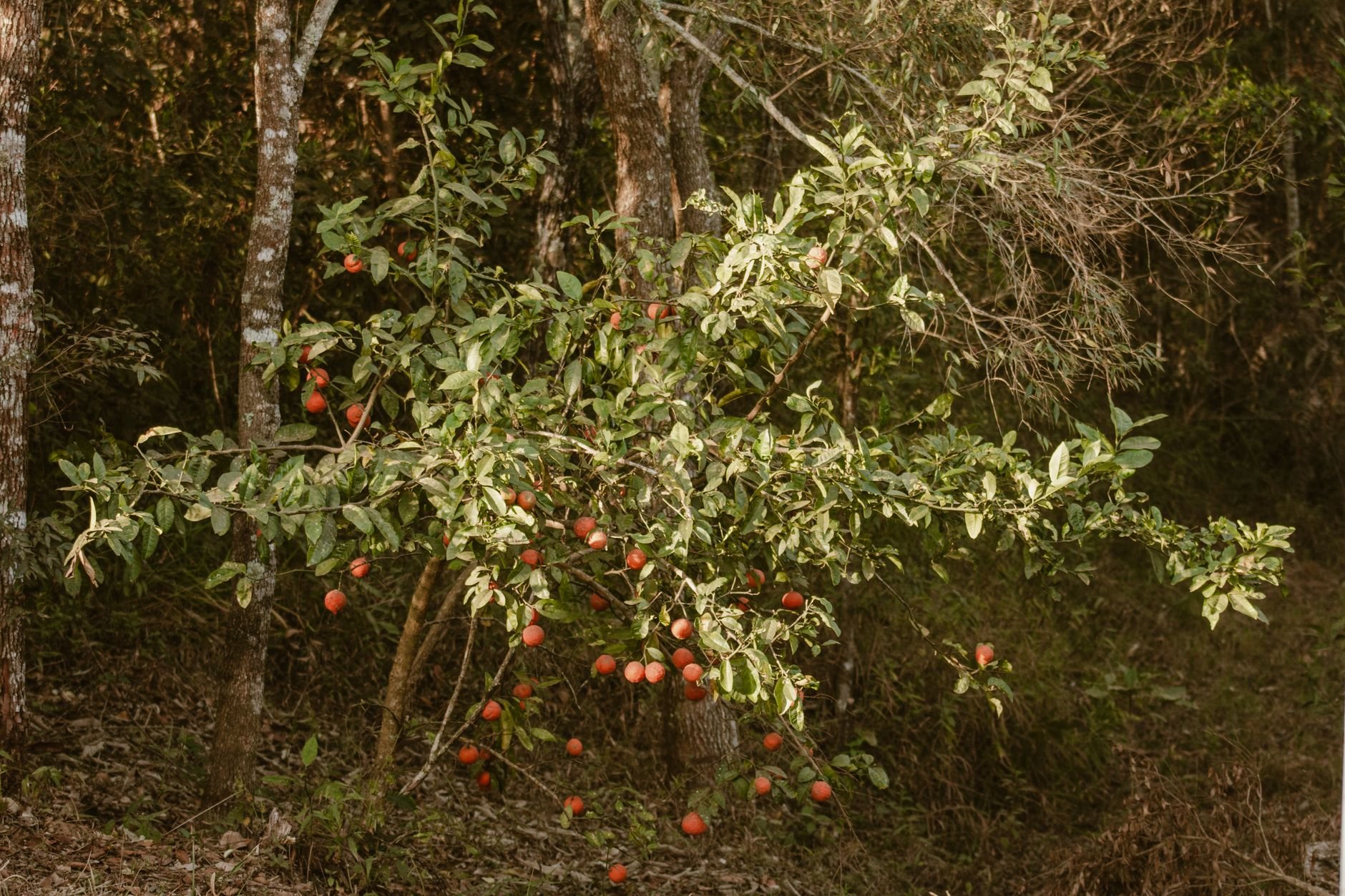
Forest Farming & Riparian Buffers
Forest farming cultivates high-value, shade-tolerant crops — medicinal herbs, edible mushrooms, ramps, ginseng, and others — beneath a managed forest canopy. Rather than clearing woodland for production, forest farming uses the existing microclimate that trees create. It is one of the best-suited agroforestry practices for properties with mature woodland that currently generates little income.
Riparian buffer design addresses the land along stream banks, drainage ways, and field margins. A well-designed buffer filters agricultural runoff, reduces streambank erosion, provides wildlife habitat, and can produce harvestable products from the buffer strip itself. Many US landowners are eligible for cost-share programs that offset establishment costs; we can help you understand what's available in your state.
Both practices require site-specific planning. We evaluate the existing canopy, soil, hydrology, and your goals before making recommendations.
What we deliver
- Woodland and riparian site assessment
- Crop and species selection for your forest type
- Buffer design and width planning
- Guidance on cost-share program eligibility
Frequently asked questions
- Do I need a large property to make agroforestry worthwhile?
- No. Agroforestry practices scale across a wide range of property sizes. A 5-acre farm can integrate alley cropping or forest farming as meaningfully as a 500-acre operation. What matters more than total acreage is the match between the practice, your goals, and your existing land use.
- How long before I see a return from trees I plant?
- This depends on the practice and the species. Silvopasture benefits — shade, improved soil, better forage — begin showing within the first few growing seasons. Timber returns are measured in years to decades depending on species and local markets. We design systems that generate value at multiple timescales so there's always something working while the longer investments mature.
- Will adding trees interfere with my current farming operation?
- Only if the design doesn't account for your operation from the start. We spend time understanding your equipment, your grazing or cropping rotations, and your labor calendar before we recommend anything. A well-designed system works around your existing infrastructure, not against it.
- Are there cost-share or financial assistance programs available?
- Yes — USDA's NRCS offers several programs, including EQIP and the Conservation Stewardship Program, that provide cost-share for agroforestry practices in many states. Some state agriculture departments and private conservation organizations offer additional funding. We can help you understand what programs exist in your area, though we don't administer them directly.
- What US states do you work in?
- We work with landowners across the United States. Site visits depend on location and project scope — we can discuss what's appropriate for your situation when you reach out.
Ready to add trees to your operation?
Tell us about your land and what you're hoping to build. We'll take it from there.
Start a Conversation